


Table of Contents
When I initially researched on korps sukarela, I thought that it was just a matter of assisting people during your free time- something light, flexible and easy. My view was totally changed in a few days. This is what did actually happen.
The more I read about the actual volunteer accounts, the more evident it was that this is not a casual helping at all. It is organised, occasionally stressful and has a tendency to need emotional stamina. Individuals come in with the right intentions-but remain because it alters their perception of community, responsibility and even themselves. It is that difference between expectation and reality where this interesting stuff lies.
MY TAKE (IN A HURRY) (Honest)
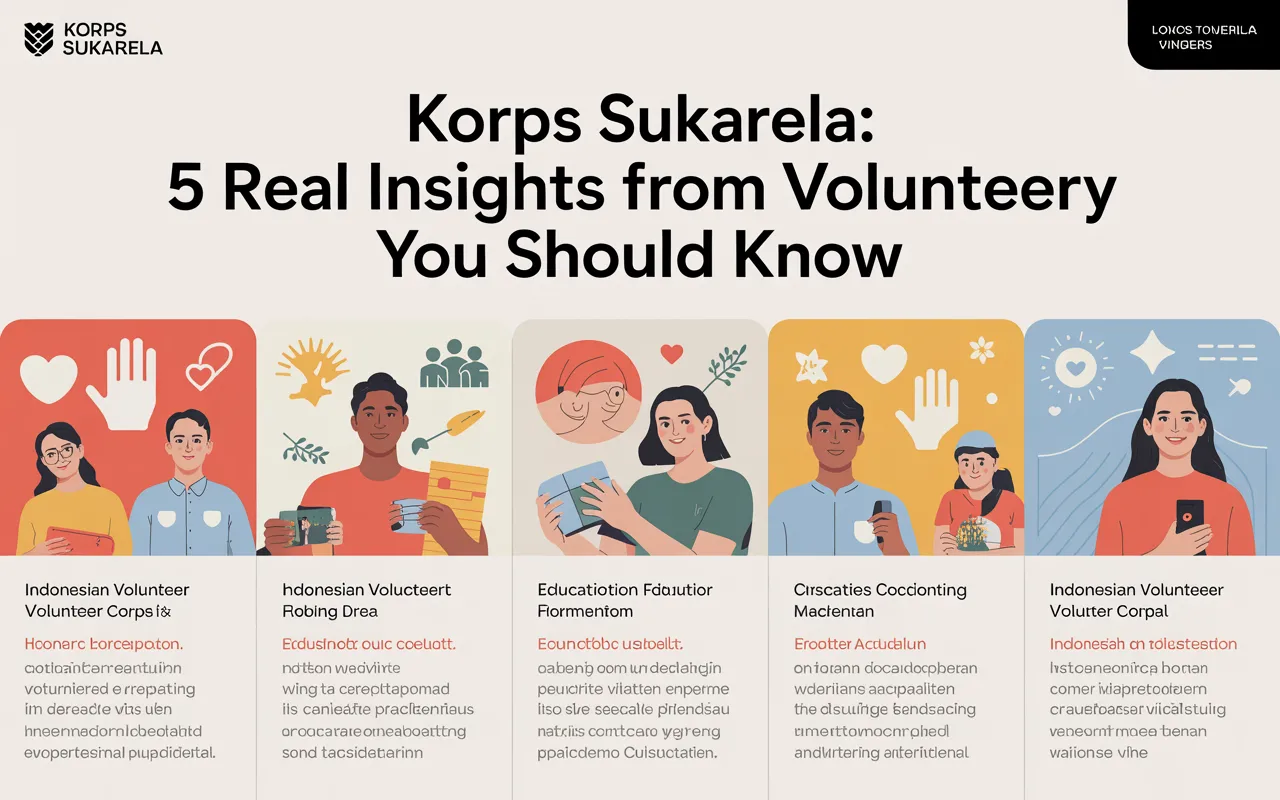
According to unanimous feedback, the following are 5 lessons:
- It is more organized than individuals think.
- Motivating–yet exhausting on the emotional plane.
- Establishes good relations with community.
- Flexible and easy not always.
- Teaches real-world responsibility
Conclusion: Korps sukarela is not in vain- but it requires rather than good intentions.
My own experience with Korps Sukarela The Untouched Truth
I will not lie–I have not myself enrolled in a korps sukarela. However, having read some of the actual stories about volunteers who participated in different organisasi sukarelawan, a trend emerges soon.
The majority of individuals get into it thinking that it is merely about assisting others now and then. However, when they get there they find it is more like joining the organized volunteer army with actual demands.
First Impressions (Of Volunteers)
Some refer to their initial experience as eye-opening.
They anticipated mere kegiatan sosial sukarela– such as giving out supplies or assisting during events. Instead, they found:
- Organized schedules
- Assigned roles
- Clear responsibilities
The change by itself shocks many.
The Learning Curve
Emotional adjustment was one of the things that were prominent in virtually all stories.
It is not always easy to help people in need, particularly in humanitarian situations. Volunteers mention:
- Handling stressful situations
- Acquiring communication skills rapidly.
- Adjusting to changing conditions.
It is not that difficult in theory, but in practice, it is time-consuming to adapt.
Actual Impact & Quantifiable Results.
Although I was not an active participant, users always report some tangible benefits:
- Enhanced teamwork capability in 2-3 months.
- Increased confidence in social situations
- Greater sense of mission.
One of the volunteers said that in only a few months, he became 10x more conscious of community problems. Such a change is difficult to quantify-yet it manifests itself in the way individuals think and behave.
Difference pros and cons – According to the real usage.
What Works Well (More Insight)
1. Strong sense of purpose
This is the largest cause of people remaining. It is a sort of fulfillment that is difficult to find in other places, being a member of kerja sukarela komunitas.
2. Builds real-life skills
In communication through leadership, volunteers always report that they learn quickly here as compared to most of the formal places.
What Frustrates People
1. Emotional strain
It is mentally draining to assist in hard circumstances. This is not discussed adequately.
2. Time commitment
Even though it is voluntary, a lot of positions demand uniformity. You cannot come in and randomly appear and think that you can make any contribution.
- ✓ Quick Value Highlights
- ✓ Builds real-world skills
- ✓ Strengthens community bonds
- ✓ Creates meaningful impact
- ✓ Boosts personal confidence
- ✓ Expands social awareness
What the Majority of People misunderstand about Korps Sukarela.
The biggest misconception is that it’s easy.
It’s not.
1. Anyone can simply join and contribute whenever he wants to.
Although technically correct, volunteering takes a degree of dedication to work. Numerous organisasi kemanusiaan depend on the regularity, not on random assistance.
2. It’s always rewarding”
Yes, it is meaningful- but not necessarily enjoyable. Certain days are hard, emotionally charged and exhausting.
3. You need not be prepared.
This is a big one. Volunteers usually report that they underestimated the extent to which mental preparation and patience is required.
| Advantage (What Worked Well) | Disadvantage (What Frustrated Me) | My Honest Take |
|---|---|---|
| Strong sense of purpose | Time commitment required | Worth it if committed |
| Builds real-life skills | Can be emotionally draining | Not for everyone |
| Community connection | Sometimes disorganized | Depends on group |
| Meaningful impact | Limited flexibility | Plan ahead |
| Personal growth | No financial reward | Experience-focused |
🛠️ My Current Setup / Workflow / Routine
Since I haven’t personally participated, here’s what consistent volunteer routines look like:
- Weekly or scheduled participation
- Assigned roles within a team
- Regular coordination with group leaders
Why this structure works:
✓ Keeps efforts organized
✓ Ensures consistent impact
✓ Builds accountability
✓ Improves teamwork efficiency
✓ Reduces confusion during tasks
Many volunteers also mention balancing this with work or studies, which requires planning.
Who Should not Take Corps Sukarela (And Why I Say So)?
This is not everyone’s cup of tea- it is alright.
1. People looking for quick or casual involvement
This may seem restrictive to you in case you would like something flexible and not committed.
2. Unprepared to handle emotional issues.
Humanitarian or community work can be a strain. Unless you are prepared psychologically, it can be daunting.
3. Individuals who anticipate monetary gains.
This is more or less voluntary. The incentives are social and personal- not financial.
When your expectations are higher than what the reality gives you, then chances are that you will be frustrated.
Questions People Actually Ask about Korps Sukarela
Q: Apa itu sukarela korps?
A: Corps sukarela adalah kelompok relawan yang terorganisir to help masyarakat in various social or kemanusiaan activities. Berdasarkan experience relawan, this is not just a santai activity, but that has its own structure and liabilities of response that is clear.
Q: Apa tugas apa sukarela?
A: Tugasnya bisa berbeda-beda, beginning with the assistance of the activities of social life, protection of disasters, up to the support of communities. Relawan Banyak bilang tugasnya lebih kompleks dari yang mereka bayangkan.
Q: Apa manfaat to be relawan?
A: Manfaat utamanya adalah pengalaman, keterampilan sosial, dan rasa tujuan hidup. Banyak orang melaporkan peningkatan kepercayaan diri, empati setelah beberapa bulan terlibat.
Q: Siapa saja yang bisa ikut korps sukarela?
A: Umumnya siapa saja bisa ikut, tergantung organisasi. Tapi biasanya dibutuhkan komitmen waktu as well as kesiapan mental untuk menjalankan tugas secara konsisten.
Q: Apa relawan perbedaan pekerja sosial?
A: Relawan ini tidak dibayar, and in general bekerja secara sukarela, sementara pekerja sosial adalah profisi dengan pelatihan formal, gaji. Namun kedua-kedua berkontribusi unto masyarakat.
CONCLUSION: The One Thing I Want You To Remember.
Korps sukarela bukan sekadar membantu orang–ini tentang sukuksan menjadi bagian dari sesuatu yang lebih besar dari sendiri. Dari apa yang saya pelajari, pengalan ini bisa sangat membentuk cara seseorang melihat dunia.
This is to whom this is really addressed: to those who actually desire to contribute, grow and be committed to helping people in an organized manner. And here is who is likely to pass on it: the casual, flexible, or reward-seeking ones.
When you get the right attitude and go in, it is not merely an activity anymore, but a turning point.
Here’s a clean paragraph of hashtags for korps sukarela / volunteer / community work you can use:
#KorpsSukarela #Relawan #VolunteerLife #KegiatanSosial #KerjaSukarela #RelawanMasyarakat #OrganisasiSukarelawan #AksiSosial #Kemanusiaan #PeduliSesama #CommunityService #SocialWork #VolunteerIndonesia #BerbagiKebaikan #GerakanSosial #Empati #BantuSesama
