


Table of Contents
Ramadan is much more than a month of fasting. It is a time for spiritual growth, self-discipline, generosity, and stronger family connections. As Ramadan 2026 approaches, millions of Muslims around the world are already thinking about prayer schedules, meal planning, charity, work routines, and preparing both mentally and spiritually.
Whether you’re observing Ramadan for the first time, helping your family prepare, or simply looking for accurate information about this sacred month, this guide covers everything you need to know. From expected dates and fasting hours to healthy eating habits and practical daily planning, you’ll find useful advice that applies to real life.
When Is Ramadan 2026 Expected to Begin?
Ramadan follows the Islamic lunar calendar, which is about 10 to 11 days shorter than the Gregorian calendar. Because of this, the month shifts earlier each year.
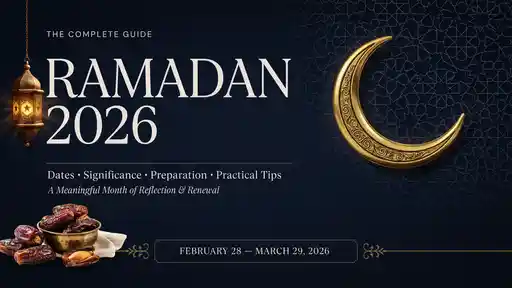
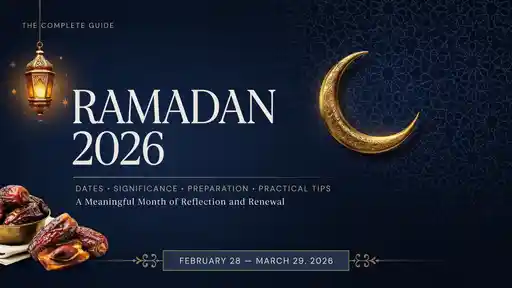
Based on astronomical calculations, Ramadan 2026 is expected to begin around Tuesday, February 17, 2026, with the first day of fasting likely on Wednesday, February 18, 2026. The exact date depends on the official sighting of the crescent moon in each country.
Since moon-sighting practices differ across regions, some communities may begin fasting one day earlier or later. It’s always wise to follow announcements from your local Islamic authority or mosque.
The holy month lasts either 29 or 30 days, ending with the celebration of Eid al-Fitr, another occasion confirmed through moon sighting.
Why Ramadan Holds Such Great Importance
Ramadan is the ninth month of the Islamic calendar and is regarded as one of the holiest months in Islam. During this period, Muslims fast from dawn until sunset, avoiding food, drinks, and other physical needs during daylight hours.
The purpose goes far beyond abstaining from eating.
Fasting teaches patience, gratitude, self-control, and compassion for those facing hardship every day. It encourages believers to slow down, reflect on their actions, and strengthen their relationship with Allah through worship and sincere repentance.
Many Muslims also increase their recitation of the Quran, perform extra nightly prayers known as Taraweeh, make heartfelt supplications, and give generously to charitable causes.
The final ten nights receive special attention because one of them is believed to contain Laylat al-Qadr (The Night of Power), which is described in the Quran as being better than a thousand months of worship.
Preparing for Ramadan 2026 Before It Begins
Waiting until the first fast to make changes often leads to unnecessary stress. A little preparation goes a long way.
Adjust Your Sleep Schedule
Ramadan changes daily routines significantly.
Since Suhoor happens before dawn and Taraweeh prayers continue after Isha, sleep patterns naturally shift. Gradually going to bed earlier one or two weeks before Ramadan makes the transition easier.
Even adjusting your bedtime by 20 or 30 minutes every few days can help your body adapt.
Ease Into Healthier Eating
Many people mistakenly think Ramadan is a month of feasting. In reality, overeating after sunset often leads to fatigue instead of energy.
Start reducing sugary snacks, processed foods, and excessive caffeine before Ramadan begins. Drinking more water throughout the day also prepares your body for the fasting routine.
Create Spiritual Goals
Instead of vague intentions, set measurable goals.
For example:
- Read one juz of the Quran each day.
- Pray all five daily prayers on time.
- Donate to charity every week.
- Learn one new Islamic lesson each day.
- Spend less time scrolling social media.
Simple goals are easier to maintain than unrealistic ambitions.
What a Typical Ramadan Day Looks Like
Every household develops its own rhythm, but most fasting days follow a familiar structure.
Before Dawn: Suhoor
Suhoor is the pre-dawn meal that provides energy for the day ahead.
A balanced Suhoor should include:
- Whole grains
- Eggs
- Greek yogurt
- Oats
- Fruits
- Nuts
- Plenty of water
Foods high in protein and fiber digest more slowly, helping you stay full longer.
Daytime Fasting
From Fajr until Maghrib, Muslims avoid food and drinks while continuing work, education, and daily responsibilities.
The daytime is also a chance to practice patience, avoid gossip, control anger, and focus on good character.
Many people use lunch breaks for Quran reading or quiet reflection instead.
Sunset: Iftar
Traditionally, Muslims break their fast with dates and water before offering the Maghrib prayer.
A healthy Iftar might include:
- Vegetable soup
- Lean chicken or fish
- Brown rice
- Fresh salad
- Fresh fruit
- Plenty of water
Eating slowly prevents discomfort and allows the body to adjust after many hours without food.
Evening Worship
After Isha prayer, many Muslims attend Taraweeh prayers at the mosque.
These longer nightly prayers create a strong sense of community and allow worshippers to hear large portions of the Quran recited throughout the month.
Healthy Fasting Tips That Actually Work
Many first-time fasters assume hunger is the hardest part of Ramadan. In reality, dehydration, poor food choices, and lack of sleep cause most problems.
Stay Hydrated
Rather than drinking large amounts of water at once, spread your intake between Iftar and Suhoor.
Aim to drink water consistently throughout the evening instead of waiting until bedtime.
Avoid Heavy Fried Foods Every Night
Samosas, pakoras, fried chicken, and rich desserts are Ramadan favorites in many cultures.
Enjoying them occasionally is perfectly fine.
Eating them every evening, though, often leads to sluggishness and makes Taraweeh prayers more difficult.
Balance traditional treats with vegetables, lean protein, and whole grains.
Limit Sugary Drinks
Soft drinks and sweet syrups may provide a quick burst of energy, but they’re often followed by an energy crash.
Fresh juices without added sugar, milk, and water are usually better choices.
Don’t Skip Suhoor
Skipping the pre-dawn meal may seem like a way to sleep longer, but it usually makes fasting much harder.
Even something simple like yogurt, fruit, oats, and water is far better than fasting on an empty stomach.
Ramadan Around the World
Although the spiritual purpose remains the same everywhere, cultural traditions vary widely.
In Saudi Arabia, mosques welcome thousands of worshippers every evening for communal Iftar meals.
Across Pakistan, neighborhoods come alive before sunset with families preparing traditional dishes while mosques organize charity distributions for those in need.
Indonesia, home to the world’s largest Muslim population, celebrates Ramadan with community gatherings, Quran recitation events, and vibrant evening markets selling local foods.
In Turkey, drummers traditionally walk through neighborhoods before dawn, helping residents wake up for Suhoor.
Meanwhile, Muslims living in countries where they are a minority often organize community dinners, educational programs, and open mosque events to introduce Ramadan to neighbors of different faiths.
Despite these cultural differences, the values of generosity, patience, and worship remain universal.
Charity, Community, and Good Deeds During Ramadan
Ramadan encourages giving as much as receiving.
Many Muslims increase their charitable contributions during this month because acts of kindness carry special spiritual rewards.
Charity isn’t limited to financial donations.
Helping elderly neighbors with groceries, volunteering at local food banks, preparing meals for others, or simply offering emotional support all reflect the spirit of Ramadan.
Families often involve children by encouraging them to donate toys, clothes, or a portion of their allowance. These small habits build generosity from an early age.
Businesses and organizations also participate by arranging food drives, sponsoring community Iftar events, or supporting humanitarian relief efforts.
Even small acts of kindness can leave a lasting impact.
Common Challenges During Ramadan—and How to Handle Them
Every Ramadan brings unique situations.
Students balance exams with fasting.
Parents care for young children while managing worship.
Professionals continue demanding work schedules.
The key is planning rather than perfection.
If you’re working full-time, prepare meals in advance during weekends.
If you’re studying, review difficult subjects during the hours when your energy is highest.
Families can divide cooking responsibilities instead of placing everything on one person.
Many people also benefit from reducing unnecessary screen time. Spending fewer hours on entertainment often creates more opportunities for prayer, reading, and meaningful conversations with loved ones.
The month passes surprisingly quickly, making intentional time management one of the best habits you can develop.
Making the Most of the Final Ten Nights
As Ramadan enters its final stretch, many Muslims increase their worship even further.
These nights include the search for Laylat al-Qadr, a night described as being better than a thousand months.
People often dedicate extra time to:
- Quran recitation
- Personal reflection
- Supplication (dua)
- Charity
- Seeking forgiveness
- Night prayers
Rather than exhausting yourself in a single evening, consistency across all ten nights often proves more rewarding and sustainable.
Many believers also disconnect from distractions during this period, choosing to focus on worship, family, and spiritual renewal before Eid arrives.
Conclusion
Ramadan offers an opportunity to strengthen faith, improve daily habits, and reconnect with what truly matters. Thoughtful preparation, balanced nutrition, meaningful worship, and generosity toward others can make the month both spiritually rewarding and personally fulfilling. Every Ramadan is a fresh opportunity to grow, no matter where you begin.
Ready to outsmart your competitors? Contact Rank Rise Agency today and let’s grow your business.
