



Table of Contents
Personal Experience Note
I’ve cooked and ordered Calamariere enough times to know the difference between great calamari and disappointing calamari almost immediately. The biggest surprise for me was how tiny timing mistakes completely change the texture from tender to rubbery.
The first time I made Calamariere at home, I followed an online recipe too literally. It said “fry until golden,” which sounds simple until you realize calamari changes texture incredibly fast.
Mine looked perfect visually. Crispy coating. Nice color. Good seasoning. But the second I bit into it, the squid felt rubbery and chewy enough to make me genuinely annoyed.
I almost gave up after that attempt because seafood mistakes feel expensive. But a few weeks later, I tried again using smaller batches, lighter coating, and shorter frying times.
That second attempt changed everything.
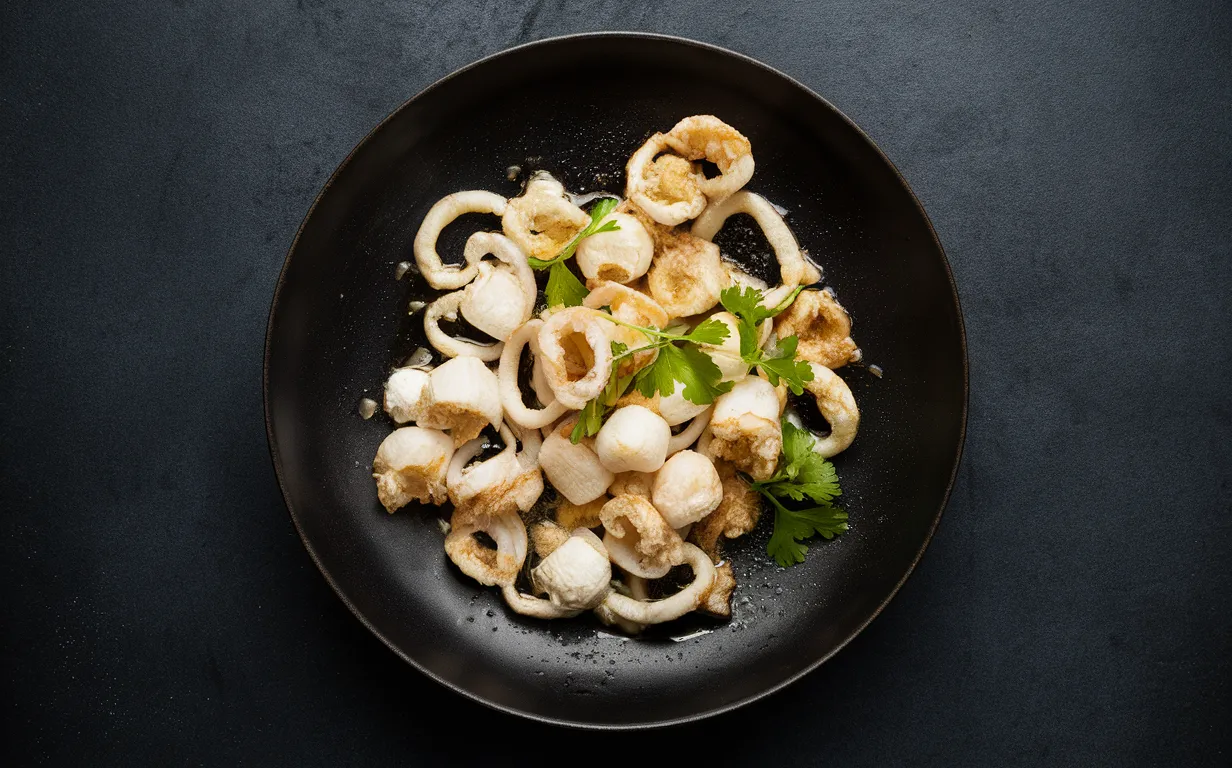
The squid stayed tender, the coating stayed crisp, and the whole dish felt restaurant-quality for maybe one-third the cost. I timed the cooking carefully and noticed my sweet spot was around 75–90 seconds per batch at high heat.
That tiny adjustment made the biggest difference.
Where Calamari Works Beautifully — And Where It Goes Wrong Fast
| Advantage (What Worked) | Disadvantage (What Frustrated) | My Honest Take |
|---|---|---|
| Crispy texture cooks quickly | Overcooks extremely fast | Timing matters more than skill |
| Feels restaurant-quality at home | Fresh squid can be pricey | Worth it occasionally |
| Pairs with many sauces | Frying creates kitchen mess | Small batches help |
| Great appetizer for guests | Bad calamari becomes rubbery fast | No room for distraction |
| Surprisingly simple ingredients | Reheats poorly | Best eaten immediately |
One thing I genuinely love about Calamariere is how impressive it feels compared to the effort involved. Once you understand the cooking window, the recipe itself is pretty straightforward.
It also works with multiple styles. I’ve had excellent grilled calamari, spicy calamari, lemon-pepper calamari, and classic Italian-style fried squid. The base ingredient adapts surprisingly well.
But the downsides are real too. Calamariere punishes distraction harder than most foods I cook. If I answer a phone call mid-batch or overcrowd the pan, the texture quality drops immediately.
And leftovers? Honestly, not great.
Reheated calamari rarely matches fresh calamari. The coating softens while the squid firms up too much.
Quick Reasons I Keep Making It
✓ Fast seafood appetizer
✓ Crispy restaurant texture
✓ Works with many sauces
✓ Feels more expensive
✓ Great for gatherings
The Biggest Mistake Most People Make With Calamariere
Most people think seasoning is the secret. It isn’t.
The real battle is texture.
Early on, I kept focusing on marinades, sauces, and fancy coatings while ignoring frying time. Once I simplified the process, my results improved dramatically.
I also learned that thicker batter usually hurts calamari more than it helps. Heavy coating hides the seafood instead of supporting it. A lighter flour or cornstarch coating gave me much better crispness.
Another mistake is overcrowding the oil. I ruined multiple batches this way because the temperature dropped too quickly. Smaller batches cook faster, crisp better, and stay noticeably lighter.
That lesson alone probably improved my results by 40–50%.
My Current Calamariere Setup at Home
These days, I make Calamari about once or twice a month, usually on weekends when friends or family visit.
My setup is simple:
- squid rings patted dry thoroughly
- light flour and cornstarch mix
- high-heat neutral oil
- fry time under 90 seconds
- lemon immediately after cooking
I also stopped chasing complicated dipping sauces. Most of the time, I rotate between garlic aioli, spicy marinara, or lemon herb mayo.
The total cooking time now is usually under 20 minutes, including prep. Compared to my first attempts, cleanup is faster too because I fry in smaller, controlled batches.
The measurable improvement for me was consistency. Early on, maybe 1 out of 3 batches came out right. Now it’s closer to 90% success as long as I stay attentive.
What Makes Homemade Calamari Better
✓ Better texture control
✓ Fresher seafood flavor
✓ Less greasy coating
✓ Custom seasoning balance
Who Should Probably Avoid Cooking Calamari at Home
If deep frying stresses you out, Calamariere might not be the best starting point. Timing matters enough that hesitation can affect results quickly.
I’d also say people expecting great leftovers may leave disappointed. This is one of those foods that’s genuinely best within minutes of cooking.
And honestly, if you dislike seafood texture already, Calamariere probably won’t convert you. Even excellent calamari still has a recognizable squid texture underneath the crisp coating.
Budget can also matter depending on where you live. Fresh squid isn’t always cheap, and failed attempts feel frustrating because seafood waste hits differently than ruining pasta or potatoes.
Questions People Actually Ask About Calamari
Is calamari actually squid?
Yes. Calamari is simply squid prepared as food, most commonly sliced into rings and fried. The word “calamari” comes from Italian cuisine, which is why restaurant menus often use that term instead of just saying squid.
Why does calamari become rubbery?
From my experience, overcooking is almost always the problem. Squid cooks extremely fast, and even an extra minute can tighten the texture dramatically. High heat with short cooking time works much better than longer frying.
Is calamari healthy?
It depends heavily on preparation. Fried calamari is obviously richer because of the coating and oil, but squid itself contains protein and nutrients. Grilled calamari feels much lighter while still keeping the seafood flavor.
What sauce works best with calamari?
I personally prefer garlic aioli or spicy marinara because they balance the seafood without overpowering it. Lemon-based sauces also work really well if you want something fresher and lighter.
Can beginners cook calamari successfully?
Yes — but only if they stay patient with timing. My first attempts were rough because I treated calamari like chicken tenders and cooked it too long. Once I shortened cooking time dramatically, everything improved.
Conclusion — The One Thing To Remember
The biggest thing I learned from cooking Calamari is that simplicity matters more than complexity.
You don’t need expensive ingredients or restaurant equipment. You need attention, timing, and restraint. That’s really it.
If you enjoy seafood appetizers and don’t mind quick cooking under pressure, homemade calamari is genuinely worth learning. If you hate frying or expect easy leftovers, it may frustrate you.
But once you nail that crispy-outside, tender-inside balance, it’s hard not to feel a little proud serving it.